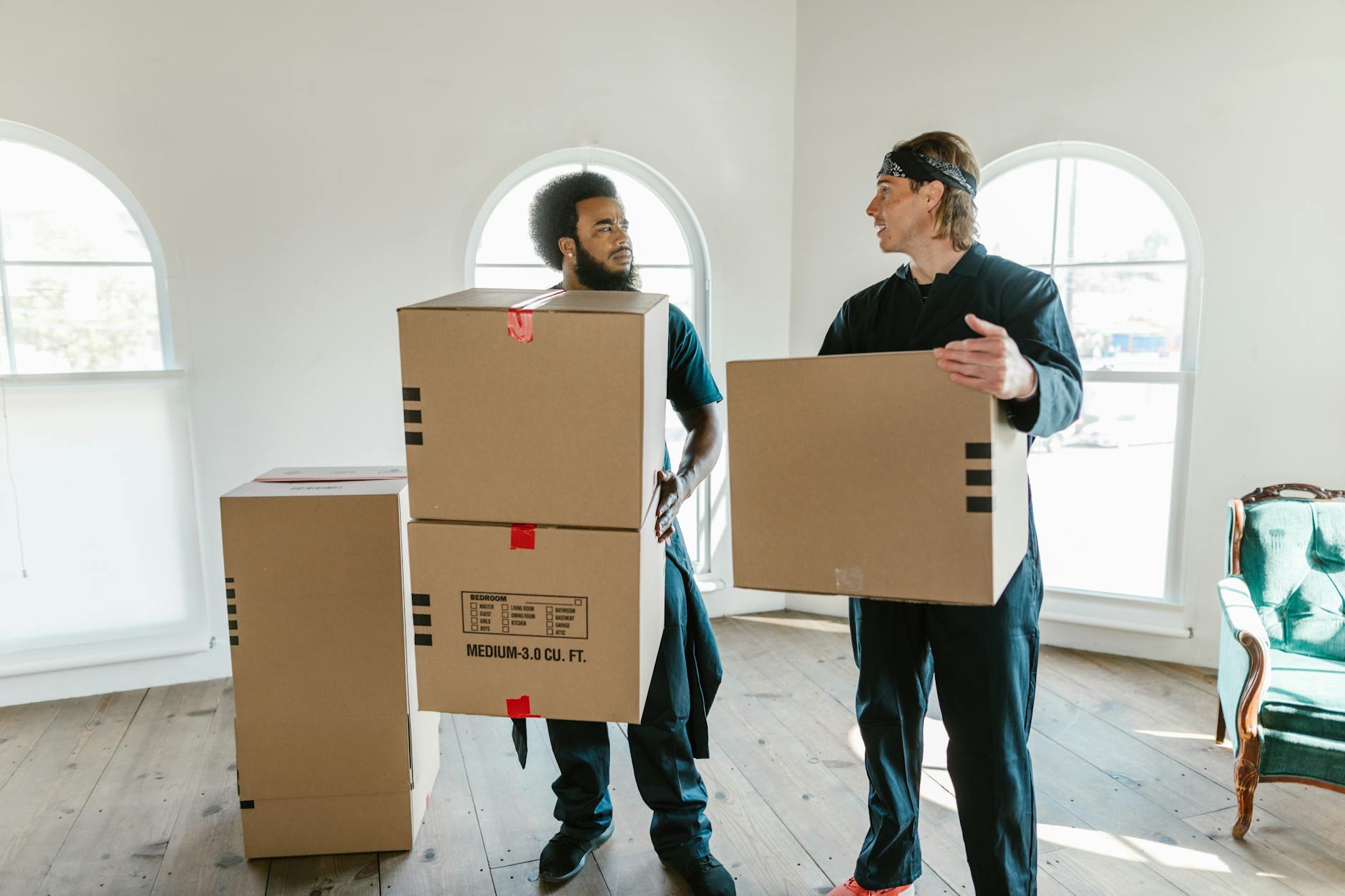
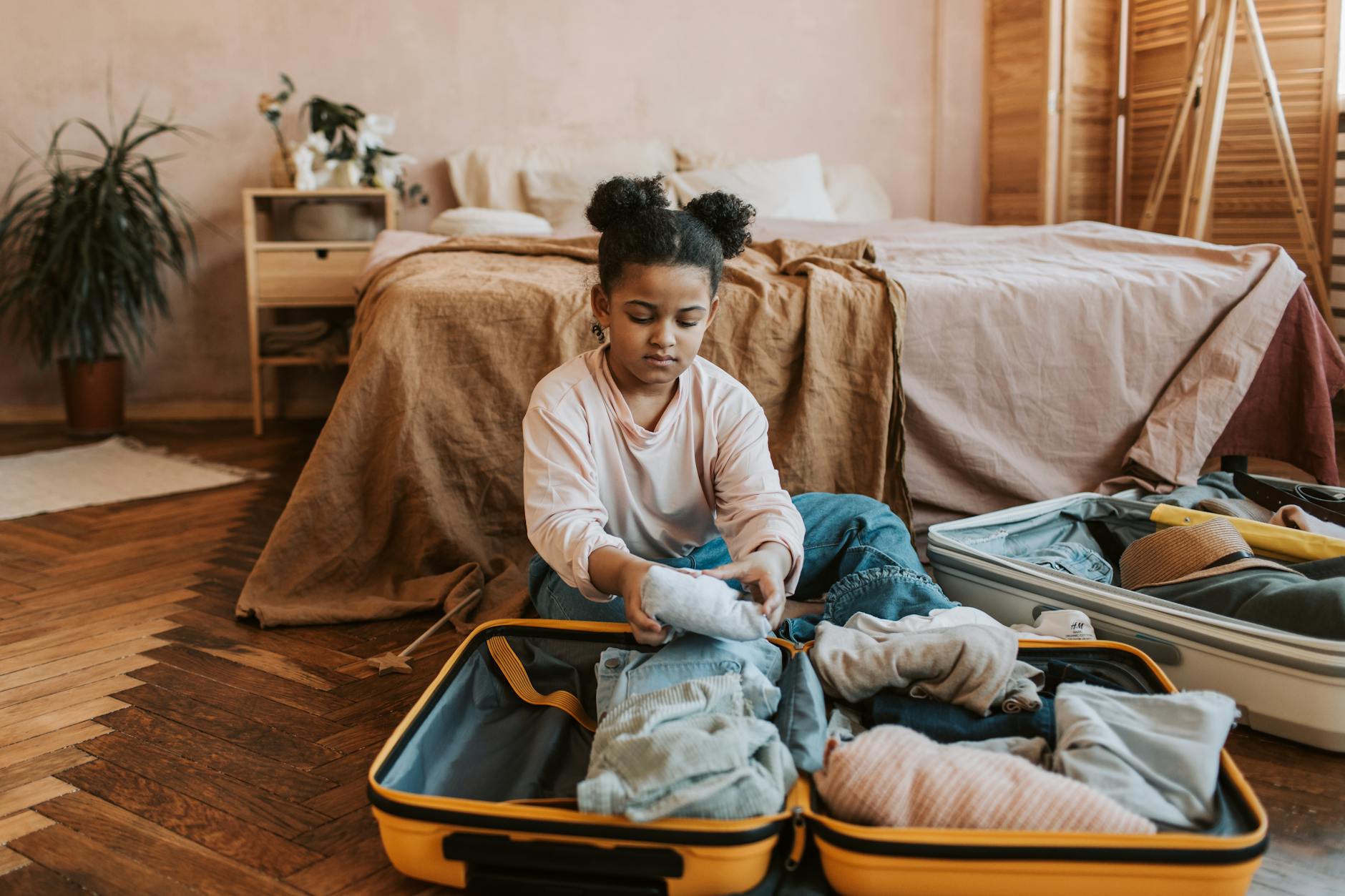
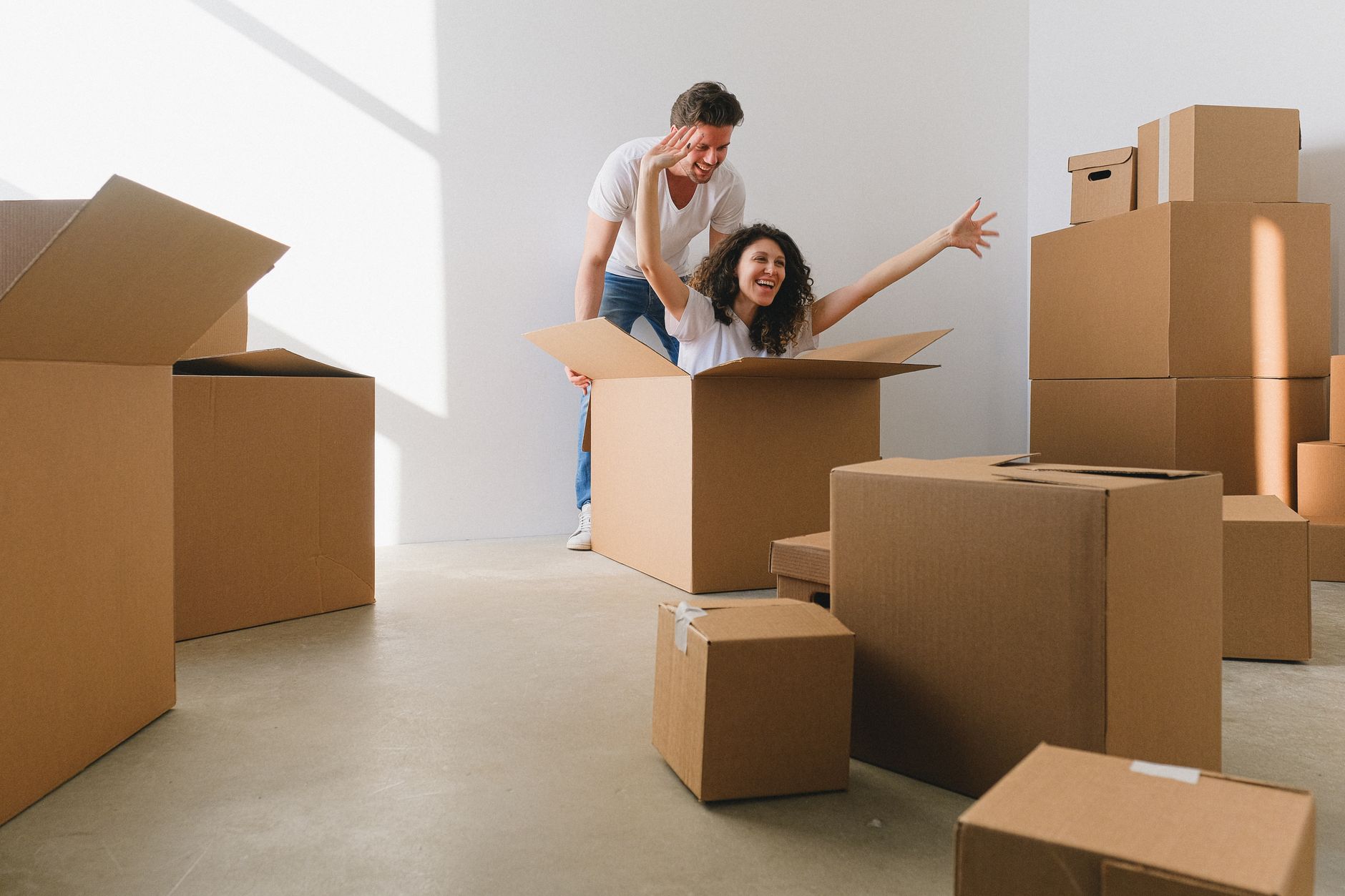
You might think that packing is just about shoving all your stuff into boxes. But if you're moving long distance, it's actually one of the most crucial parts of the whole process.
And we have a unique perspective on these because our founders are U.S. combat veterans. They don't just approach each move as a logistical puzzle to be solved; they treat it like a mission. A mission where every detail matters, from the way you pack your clothes to how you label your boxes.
So let's dive into why packing is so important for a successful long-distance move.
First off, packing isn't just about cramming all your stuff into cardboard boxes. It's an art form. A good packer knows how to use every inch of space efficiently without compromising accessibility or safety.
But beyond the physical aspects of packing, there are emotional considerations too. Moving is stressful enough as it is, but if you don't pack strategically, that stress can reach fever pitch.
You know what I'm talking about: digging through a sea of unlabeled boxes because you can't remember where you put your toothbrush. Or worse yet, realizing months later that you left something precious behind because it was hidden in plain sight among the clutter.
We've seen it all over our 40+ years in business. We've seen people who packed haphazardly end up spending hours frantically searching for items they needed. We've also seen people who packed strategically settle into their new homes quickly and easily because everything was exactly where they expected it to be.
So when you're planning your long-distance move, don't treat packing as an afterthought. Treat it like a mission-critical task that could make or break your relocation. Because trust us, it really can.
Now, I know what you're thinking: "This all sounds great in theory, but how do I actually pack like a pro?" Glad you asked. Here are some tips:
1. Start early. Packing should be a gradual process, not a last-minute rush job.
2. Label everything. Seriously, label every single box. It might seem tedious now, but trust me, it will be worth it when you're unpacking and can instantly find exactly what you need without digging through a sea of mystery boxes.
3. Use quality packing materials. Cheap, flimsy boxes and old newspaper wrappers might save you a few bucks upfront, but they could cost you big time if your belongings get damaged during transit. Invest in sturdy boxes and high-quality packing paper or bubble wrap to ensure your stuff arrives safely.